
Al-Andalus
La época de Al-Ándalus en Algeciras se remonta al siglo VIII, cuando los invasores árabo-beréberes desembarcan en la antigua Isla Verde, que se localizaba en lo que es hoy el puerto, durante su conquista del reino visigodo de Toledo. La nueva ciudad, sobre los restos de la antigua ciudad romana de Iulia Traducta, recibirá el nombre de Al-Ŷazīra al-Jadrẩ.
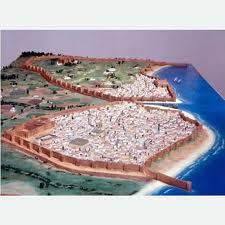
En el siglo posterior, ante el peligro de ataques vikingos en la costa del Estrecho de Gibraltar, el emir cordobés Muḥammad I ordena construir el primer recinto amurallado, conocido actualmente como el de La Villa Vieja. Algeciras se convierte en la capital del Reino Taifa de Algeciras en 1031. En el año 1055 es conquistada por la de Sevilla.
En 1379, el sultán nazarí Mamad V llevó destruye la ciudad, las murallas y ciega el puerto. A partir de entonces, el reino nazarí perdió la ciudad y hasta la llegada de los nuevos pobladores procedentes de Gibraltar, en 1704, Algeciras estuvo deshabitada.
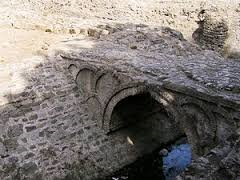
Los edificios más emblemáticos construidos en este tiempo son un hospital y la desaparecida Torre del Espolón. Actualemente se puede visitar el Complejo Arqueológico de las Murallas Medievales de una superficie de 6.000 metros cuadrados.
Al-Andalus
The period of the Al-Ándalus in Algeciras goes up to the eighth century, when the Arabs landed on the ancient "Green Island," which was located in what is now the port, during their conquest of the Visigothic kingdom in Toledo. The new city, built above the ancient Roman city of Iulia Traducta, was to be named Al-Ŷazīra al-Jadrẩ.
In the following century, faced with the danger of viking attacks along the coast of the Strait of Gibraltar, the Cordoban emirate Muḥammad I ordered the building of the first walled city, now known as the Old Town. Algeciras became the capital of the small kingdom of Algeciras in 1031, which was then conquered by that of Seville in 1055.
In 1379, the Nasrid sultan Mamad V destroyed the city and its walls and blocked off the port. After that, the Nasrid kingdom did not use the city anymore and until the arrival of new settlers who came from Gibraltar, in 1704, Algeciras was left uninhabited.
The most typical buildings from this period are a hospital and the now-lost Ram's Tower. It is possible to visit the Complete Archeological Site of the Medieval Walls, which covers an area of 6,000 square metres.

